Shifts in weather have long been blamed for aching joints, especially among individuals living with chronic conditions like arthritis. Reports often describe stiffness before rain or discomfort during colder days, raising questions about a possible physical link. Clinical settings regularly encounter these concerns, yet clear explanations remain limited. Research has explored pressure changes, temperature drops, and humidity levels, but results do not always align. Examining how these environmental factors interact with the body offers a more grounded view of this widely reported experience.
How Weather Variables May Interact With the Body?
Weather does not act on joints in a simple, one-step way. Several conditions in the air may shape pain and stiffness at the same time, and barometric pressure tends to draw the most attention in medical research. When pressure drops, tissues around a sore joint may expand slightly. In an already irritated knee, wrist, or finger joint, that subtle shift may add to the sensation of tightness or aching. The effect is still theoretical in many cases, but it matches what some patients describe during changing weather.
In day-to-day practice, symptom patterns can become noticeable across a few weeks. A patient may arrive at a rheumatology visit with notes showing rougher mornings during cold spells, especially in joints already affected by arthritis. Stiff hands at breakfast, slower steps getting out of bed, trouble turning a key, these details matter in clinical care. They can guide decisions about heating pads, stretching routines, or the timing of anti-inflammatory medicine before early activity begins.
Humidity adds another complication. Damp air may influence body temperature regulation and muscle tension, which can make painful joints feel less forgiving. Research still struggles to separate one weather factor from another. That is part of the problem. Joint pain is shaped by inflammation, nerve sensitivity, old injury, sleep quality, and reduced movement, not climate alone.
What Research Studies Show and Where They Differ?
Research on weather and joint pain rarely lands in one clean place. Some studies do find a small rise in pain reports when barometric pressure drops, especially among people already dealing with arthritis. Others, including larger population-based projects, fail to show a reliable pattern. That split has kept the subject open for debate.
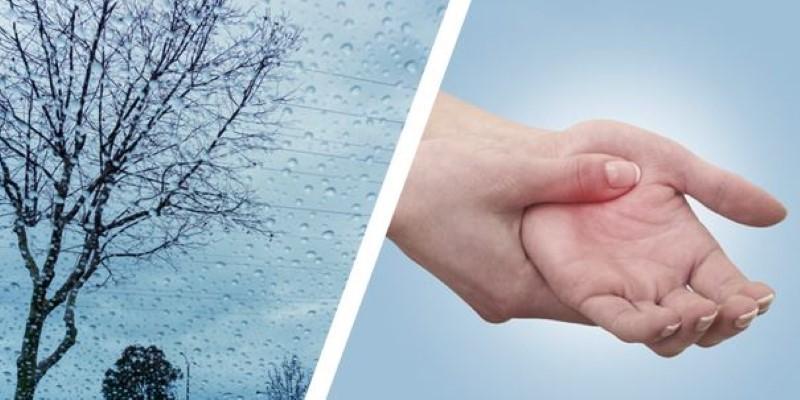
Part of the problem starts with how pain is measured. Many studies depend on daily symptom ratings, and those numbers can shift for reasons that have nothing to do with rain, cold, or pressure changes. A rough night of sleep, extra walking, missed medication, or a stressful week can all raise pain scores. In rheumatology clinics, that overlap shows up often, making it hard to pin discomfort on weather alone.
Location matters too. Coastal climates, dry inland regions, and places with sudden seasonal swings create very different conditions. A patient in a damp, chilly city may describe a pattern that never appears in someone living in a milder area.
Newer studies have added wearable devices to the mix. These tools track movement, rest, and local conditions in real time. Early results suggest that colder days may reduce activity, and that reduced movement may leave joints stiffer after long periods of sitting. For now, the evidence points to a real link in some cases, but not a single explanation.
Clinical Observations From Everyday Practice
In day-to-day practice, complaints about weather-related joint pain come up often, especially when seasons shift. Cold mornings tend to be the hardest. Stiff hands can turn buttons, jars, or keys into small obstacles. Knees may feel tight after getting out of bed, and short walks across the house can take more effort than usual. These reports are common in people living with osteoarthritis, rheumatoid arthritis, and long-standing back or hip pain.
Treatment usually centers on easing symptoms, not trying to outsmart the forecast. Heating pads, warm showers, and moist heat wraps are standard tools because they loosen stiff tissues and make early movement less uncomfortable. Physical therapists often build simple morning routines around slow stretches and joint mobility work, especially for patients struggling during the first hour of the day.
At times, medication plans need a temporary adjustment. A clinician may review anti-inflammatory use during colder months, but this is done carefully. Higher doses can create problems, including stomach irritation, fluid retention, or kidney stress, particularly in older adults with other medical conditions.
Living conditions matter too. Drafty rooms, hard seating, and poor indoor heating can make symptoms feel sharper. Even so, pain spikes do not always match visible inflammation on scans, showing that joint pain is not always a straightforward mechanical problem alone.
Limitations, Misconceptions, and Ongoing Questions
A familiar belief still circulates in clinics and waiting rooms that a rainy week or a cold front can damage joints. Research does not back that up. Pain may feel sharper during certain weather shifts, yet that is very different from structural harm. Cartilage loss, joint erosion, and long-term disease progression follow their own clinical course, shaped by inflammation, age, prior injury, and arthritis type.
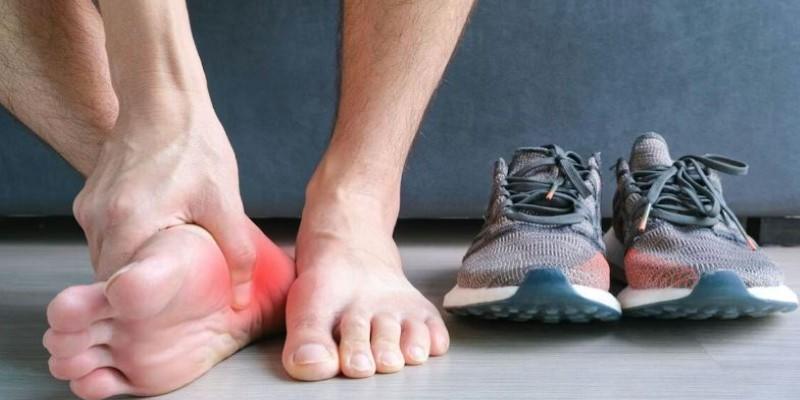
Memory adds another complication. Painful days tend to stand out. A stiff knee on the morning of a storm is more memorable than a comfortable afternoon under similar skies. That can distort symptom tracking. In practice, rheumatology teams sometimes ask patients to keep timed pain logs instead of relying on memory alone, since recollection often exaggerates patterns.
Research tools have limits as well. Wearables can record movement, sleep, and local conditions, but the data is only useful when devices are worn correctly and consistently. A missed day, low battery, or poor sensor placement can weaken a study.
Open questions remain. Some investigators focus on pressure changes inside joint tissues. Others look at nerve signaling and pain sensitivity. Longer studies, better symptom diaries, and closer integration with medical records may offer a clearer picture over time.
Conclusion
Weather linked joint pain remains a complex issue with partial evidence and varied patient experiences. Some individuals report clear symptom changes during shifts in pressure or temperature, while controlled studies show smaller effects. Clinical care focuses on monitoring patterns, adjusting treatment plans, and ruling out other causes of pain. Continued research using detailed tracking and standardized measures may clarify mechanisms and guide more precise management in the future settings today.