Weight management programs in clinical nutrition settings frequently examine snack composition. High-calorie foods often receive restrictions, yet several nuts remain present in structured meal plans. Their nutrient density influences satiety, metabolic stability, and appetite regulation during calorie reduction. Dietitians often integrate small nut portions during counseling sessions for individuals dealing with slow weight loss progress or frequent hunger. Evidence from metabolic clinics indicates that controlled intake of certain nuts may support dietary adherence during energy restriction phases.
Top Nuts That Support Healthy Weight Loss
Almonds and Appetite Regulation
Almonds appear frequently in hospital nutrition guidelines for patients undergoing structured weight reduction. Their combination of fiber, plant protein, and monounsaturated fat slows gastric emptying. Extended digestion reduces rapid blood glucose fluctuations after meals. Stable glucose levels reduce episodes of sudden hunger that often disrupt calorie-controlled diets.
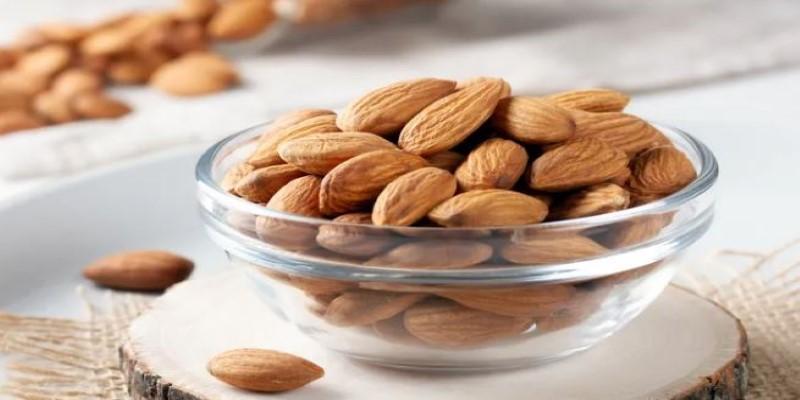
Dietitians in outpatient metabolic clinics frequently recommend almonds during mid-morning snack windows. Patients entering weight loss programs often report difficulty maintaining satiety between breakfast and lunch. A measured portion of almonds, usually around 20 to 25 grams, creates longer digestive activity compared with refined carbohydrate snacks.
Clinical observation suggests fewer reports of mid-day fatigue when this substitution occurs. Hospital diet records occasionally reveal miscalculations in portion size. That same concentration of calories, however, makes pre-measured servings essential—eating straight from the container invites excess.
Small reusable containers appear in many structured meal plans. Food allergies remain a consideration during clinical screening. Tree nut allergy assessments normally occur before introducing almonds into dietary protocols.
Walnuts and Metabolic Signaling
Walnuts stand out in weight loss nutrition for a reason beyond simple calorie counting. Their mix of polyunsaturated fats, especially alpha-linolenic acid, gives them a different role than many snack foods found in standard diets. In nutrition clinics, they are often discussed in relation to appetite control and metabolic health, particularly in cases involving insulin resistance, central weight gain, or early metabolic syndrome.
A small portion can create a stronger sense of fullness than processed snacks built around refined starch. This matters in ordinary daily patterns. Late afternoon is a common trouble spot in weight management plans, when energy dips and convenience foods start to look appealing.
Walnuts can fit into that window without creating the sharp rise and drop in blood sugar linked with crackers, chips, or sweet snack bars. Dietitians often pair them with plain yogurt or fruit to build a steadier snack. Still, portion size matters. Walnuts are nutrient-dense, but a heavy handful can quietly push calorie intake past the day’s target.
Pistachios and Portion Awareness
Pistachios provide a unique behavioral advantage in dietary counseling. Many clinical dietitians recommend pistachios in their shells. The physical act of removing shells slows eating speed, allowing satiety signals to reach the brain before excessive intake occurs.
Weight management clinics frequently address rapid eating habits among individuals attempting fat reduction. Fast consumption often leads to calorie intake that exceeds planned targets. Pistachios encourage slower pacing. Empty shells create visible evidence of consumption, which supports portion awareness during snack periods.
Observational research within nutrition programs has noted lower caloric intake when pistachios replace processed snack foods. Their balance of protein, fiber, and fat contributes to sustained fullness during long work shifts or extended clinic waiting periods.
Hospital staff advising patients recovering from bariatric procedures occasionally include pistachios once solid food tolerance improves. Small servings fit well into protein-forward dietary plans. Salt content remains an important consideration. Unsalted pistachios appear more frequently in clinical recommendations, particularly for individuals managing hypertension alongside weight concerns.
Brazil Nuts and Micronutrient Balance
Brazil nuts tend to show up in weight loss plans for a very specific reason. They pack an unusually high amount of selenium into a very small serving, which gives them a different role than almonds or pistachios. Instead of acting as a filling snack, they are often used to support micronutrient intake.
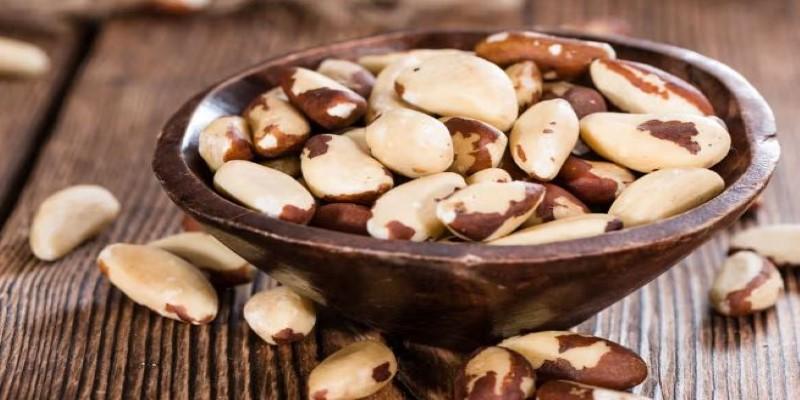
Selenium matters in thyroid function, and thyroid hormones help regulate how the body uses energy. In endocrinology settings, selenium intake may come up when fatigue, sluggish metabolism, or difficulty losing weight becomes part of a larger thyroid discussion. That does not make Brazil nuts a treatment, though. It means they can fit into a broader nutrition strategy when intake is sensible.
Portion size matters more here than with many other nuts. One or two Brazil nuts can supply plenty. More is not better, since excess selenium may lead to stomach upset and other problems. Dietitians often pair them with plain yogurt or fruit at breakfast, keeping the serving small while adding nutrient value to the meal.
Cashews and Controlled Energy Intake
Cashews present a different nutrient profile compared with several other nuts. Carbohydrate content appears slightly higher, while fat distribution includes both monounsaturated and polyunsaturated fatty acids. Balanced macronutrients allow cashews to fit into calorie-controlled eating plans when portions remain modest.
Dietitians working in cardiac rehabilitation programs sometimes incorporate cashews into meal patterns designed for weight reduction and lipid management. Their mineral content includes magnesium, which participates in glucose metabolism and muscle function.
Structured diet logs within rehabilitation clinics often reveal common snack patterns that rely heavily on refined grains. Replacing those foods with a small cashew serving improves nutrient quality without major calorie shifts. Patients often report better satiety during afternoon hours.
Careful portion measurement remains necessary. Cashews possess a smooth texture and mild flavor that can lead to rapid overconsumption during distracted eating. Many clinical meal plans specify 18 to 20 grams per serving. Individuals undergoing kidney disease monitoring occasionally receive separate guidance. Certain mineral levels in nuts require evaluation within renal nutrition frameworks.
Conclusion
Nutrition professionals frequently evaluate snack composition during weight management programs. Several nuts remain compatible with calorie-restricted diets when portions remain controlled. Almonds, walnuts, pistachios, Brazil nuts, and cashews each provide unique nutrient profiles linked with satiety, metabolic support, or micronutrient balance. Clinical diet planning typically emphasizes measured servings, careful monitoring of calorie totals, and adjustment for medical conditions. Balanced integration into structured meal patterns supports gradual weight reduction without excessive hunger or nutrient gaps.