The listing that looks identical until walkthrough day
Two houses can read the same online: “updated kitchen,” “fresh paint,” “move-in ready.” In person, one feels tight and clean, the other feels like work. It’s small stuff that doesn’t show in photos—soft floors at the dishwasher, sticky windows, a patchy ceiling where a leak was “fixed,” the faint smell of damp in a closet.
Walkthrough day is when buyers start pricing risk, not features. If they can’t tell what’s behind the cosmetic updates, they assume the worst and protect themselves with a lower offer, a bigger repair request, or they simply move on. That reaction shows up fast when they’re already stretched on monthly payment and don’t want surprises.
The advantage isn’t a huge remodel; it’s removing the “hidden project” vibe before listing. That usually costs less, but it takes calendar time—getting a handyman scheduled, drying out a stain correctly, replacing the one tired surface that makes the rest feel questionable.
Affordability squeezes buyers into renovation avoidance
Once the monthly payment is near the edge, buyers stop imagining improvements as “someday” projects and start treating them as competing bills. A $25,000 kitchen refresh isn’t evaluated against enjoyment or long-term value; it’s weighed against rate shock, moving costs, and the first year of maintenance they can’t predict. Even buyers who like renovation shows often back into the same math: cash reserves are thinner after down payment and closing, and lender appraisals don’t fund new cabinets.
That’s why lightly dated houses are getting punished more than they used to. The discount isn’t just the visible condition—it's the uncertainty premium they add for timeline and overages. Quotes expire, materials run late, and a “three-week job” collides with work travel, childcare, or a lease ending. If the buyer needs the home to function immediately, they’ll pay extra for boring reliability: working systems, consistent finishes, and no obvious trigger for a first project.
For sellers weighing spend, the relevant question is whether your market’s updated homes are selling at a clear, repeatable premium—or simply selling faster. If the premium is mostly speed, a smaller pre-list scope that reduces perceived projects can outperform a bigger remodel that raises price but also raises scrutiny.
Contractor timelines turned upgrades into life disruption

What changed isn’t just what things cost; it’s how long “normal” work now sits in your life. A bath refresh that once fit between vacations can drag into eight weeks because the tile sub is booked, the vanity arrives damaged, or the permit inspection window slips. During that gap you’re living around dust, missing doors, and a hallway that looks half-finished—right when you’re also trying to keep the place showing-ready.
That disruption turns into real money. You pay for storage, short-term housing, or repeated deep cleans before open houses. If you’re financing the work, the interest meter runs while the home isn’t improving on the comps yet.
So the risk isn’t “will this look nicer,” it’s whether your calendar can absorb a delay without forcing a price cut later. If you can’t lock labor and lead times up front, smaller scopes that finish clean often beat a larger remodel that stalls midstream.
Inspection anxiety rewards homes with fewer unknowns
Then the inspection becomes the moment buyers decide whether they’re buying a house or inheriting a to-do list. In a tighter market they still order the full slate, but the tone changes: they’re hunting for the one expensive surprise that blows up their cash buffer—old plumbing at the walls, a roof with soft spots, an HVAC that’s “working” but past its service life.
Homes that present fewer unknowns don’t just get smaller repair requests; they keep deals from wobbling. A clean service history, a recent sewer scope, matching permits for past work, and a dry crawlspace read like fewer ways to get trapped after closing. That reduces the urge to ask for big credits “just in case.”
If you’re choosing where to spend, boring fixes that remove inspection red flags often show up more reliably than a flashy upgrade. The friction is timing: those projects are hard to schedule, and any delay can push you into a worse selling window.
Appraisals and comps now favor visible condition signals
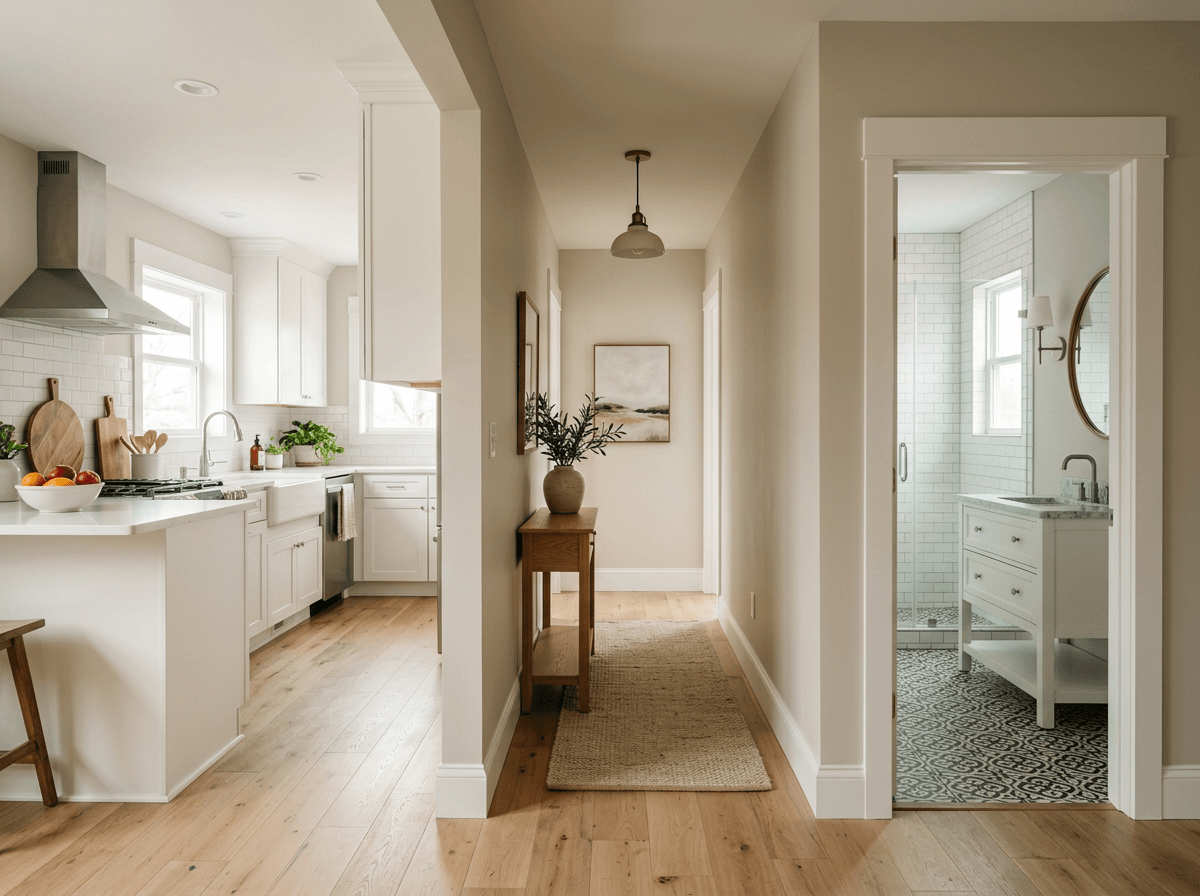
Even when a buyer is willing to pay up, the appraisal has to find support in nearby sales. Appraisers lean hard on comps with obvious condition cues because they’re easier to bracket: new roof noted in the listing, updated baths visible in photos, permits on file. “Good bones” doesn’t adjust well on a grid.
That’s why cosmetic clarity can matter more than the actual spend. A clean, consistent finish package reads as “no immediate work,” so the comp set shifts toward other turnkey homes. If your house gets bracketed against lightly dated sales, you can end up with an appraisal gap that kills the deal unless the buyer has extra cash.
Before you remodel, pull the last 6–12 months of close-by sales and look for repeatable pricing differences tied to visible items: roof age, HVAC, windows, kitchen condition. If the premium is inconsistent, over-improving just raises your cost and your timing risk without moving the appraised number.
The remodel that backfires despite good intentions
Sometimes the remodel that “should” pay off is the one buyers punish. It’s usually not the quality; it’s the mismatch. A $70,000 kitchen with statement stone and custom cabinets can look like a plan to recoup, not a home that aged well. Then the rest of the house—original doors, older windows, dated baths—reads as unfinished. Buyers start bracketing you against cheaper, lightly updated listings and treat your price as negotiation room.
The backfire gets sharper when the work changes the layout. Knocking down a wall to open a kitchen can remove a pantry, shrink dining space, or push traffic through a narrow spot. On paper it’s “open concept,” but on a showing it feels less usable. If permits are missing, or the work looks DIY-clean but not contractor-clean, inspection language turns into leverage.
Even when it shows beautifully, timing can erase the spread. Carrying costs stack, a delayed closing season hits, and the premium you modeled off last year’s comps is now a smaller delta. At that point, the remodel didn’t fail; it just became a bet placed too late, at too high a basis.
What buyers will keep paying extra for next
The premium that keeps showing up is for homes that underwrite cleanly: newer roof/HVAC/water heater with invoices, permit trails for any structural or major mechanical work, and a disclosure package that makes the buyer’s lender and inspector boring. That’s not glamour—it’s reduced probability of a post-close capital call when reserves are already thin.
After that, buyers still pay for “consistent condition” more than “high-end.” Matching finishes, doors that close, windows that operate, clean drainage away from the house, and a dry crawlspace/basement move a listing into the safer comp bucket. It’s the same reason a pre-list sewer scope or transferable warranty can outperform another design upgrade.
Big-ticket remodeling only holds a durable premium when the surrounding comps show it repeatedly and your all-in basis includes time: permits, carry, and the risk of listing a season later than planned.