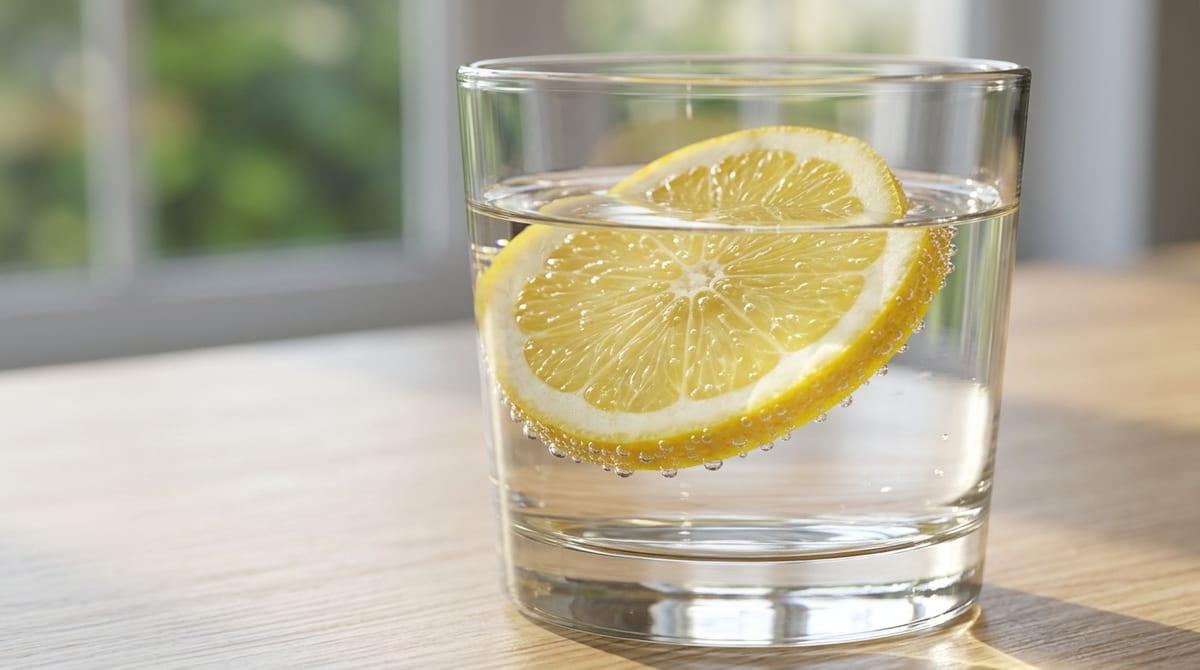
The promise of lemon water feels straightforward
The first sip can feel like a clean start—bright, sharp, and “doing something” before the day gets complicated. It’s easy to read that sensation as proof, especially if your stomach feels a little lighter or your mouth feels fresher. But the experience can be inconsistent: some mornings it feels soothing, and other mornings it lands as a small burn in the chest or a zing in the teeth.
Underneath, what often changes first is behavior, not chemistry. Drinking a glass of anything early can shift thirst cues and appetite timing, and the sour taste can make it feel more purposeful than plain water—even if the body’s day-to-day cleanup systems are running the whole time.
Hydration is the main benefit, not magic
By the time you’re halfway through the glass, the “lighter” feeling can already start to blur into a different question: did something get fixed, or did you just finally get fluid in? For a lot of people, the noticeable shift is simply that morning water happens more consistently when it has a taste, and that can make your body feel less sluggish. Still, it can be hard to trust that explanation when the effect isn’t the same every day.
Hydration changes things in ordinary, unglamorous ways—your saliva and mucus can thin a bit, your mouth can feel less sticky, and your gut often moves more comfortably when fluid intake is steadier. If you were running a little behind on water, that first glass may also soften hunger signals that can feel like “cleansing,” especially if your usual routine is coffee first. That can look like proof of detox, even though it’s more about thirst cues and timing than toxins leaving your body.
The inconsistency tends to show up when the lemon part is louder than the water part. Citric acid can feel sharp on an empty stomach, and for some people it lines up with reflux symptoms or tooth sensitivity—making the same habit feel helpful one day and irritating the next. When that happens, it’s less a sign that lemon water “stopped working” and more a reminder that the main lever you’re pulling is hydration, with a sour add-on that not everyone tolerates the same way.
What drives the “detox” story beneath the surface
It often shows up as a quiet sense of “something moving” after that first glass—an extra bathroom trip, a less puffy face by late morning, or a flatter stomach that day. Those changes can feel like evidence that something is being “flushed out,” even when the pattern is inconsistent and fades as soon as sleep, salt intake, or stress shifts.
A lot of the detox story is driven by how the body handles water and how the brain explains timing. When you drink more fluid earlier, your kidneys may make more urine, and the scale can dip from water balance alone. That’s real, but it’s not the same as pulling stored toxins out of tissues. The liver and kidneys are doing their filtering work continuously, and lemon doesn’t switch that system on—it mostly changes the experience around it.
The sour taste matters, too. It can act like a “signal” that you’ve started a healthy routine, which makes you more likely to notice small shifts and credit the drink, while missing other variables (a later dinner, different fiber). When results don’t match the story, it can feel confusing—not because you did it wrong, but because the narrative is simpler than the process.
Vitamin C: real contribution, easy to overestimate

You might notice it most on a week when you’ve been run down: the same lemon water suddenly feels like it “supports your immune system,” and skipping it can feel like you’re missing a layer of protection. Then nothing happens for days, which can make the whole habit feel unreliable, even if you’re doing the exact same thing.
Vitamin C is real, but the dose in a squeeze of lemon is usually modest compared with what you’d get from many fruits and vegetables. That’s where the overestimate tends to sneak in—because the taste is intense, the brain treats it like a strong nutrient “hit.” In practice, vitamin C is used up in normal daily turnover, and the body doesn’t store large extra amounts long-term, so more doesn’t automatically translate into more visible results in skin, energy, or illness frequency.
Some of the “glow” people report may be indirect: when lemon water makes morning hydration more consistent, circulation and digestion cues can feel steadier, and that can change how your skin looks day to day. But if the drink also brings heartburn or tooth sensitivity, it can be a sign the irritant side of the equation is getting more attention than the vitamin C side.
Metabolism and fat loss claims don’t hold up
Sometimes the first thing you notice is a slightly smaller breakfast—or a later one—after lemon water. That can look like “fat burning,” especially if the scale is a little lower that week. But the pattern is often inconsistent: on days you sleep less or eat later at night, the same drink doesn’t change anything, and it can start to feel like you’re missing a hidden step.
What’s usually shifting is appetite timing and water balance, not the rate your body is breaking down stored fat. A large glass of water can temporarily stretch the stomach and soften hunger signals, and the sour taste can make the routine feel more “active,” which changes how you interpret normal cues. Early on, the bathroom changes can also move water weight—real weight on the scale, but not the same as a sustained change in body fat.
When people say it “boosts metabolism,” they’re often blending together a few small effects: drinking fluid can slightly increase energy use for a short time, and swapping lemon water for a sugary drink reduces calories. Those are plausible pathways, but they don’t come from lemon acting like a fat-loss switch. If you’re also dealing with heartburn or a sensitive stomach, it may even be harder to stick with the habit long enough to see what’s actually driving any change.
A reasonable habit can backfire unexpectedly
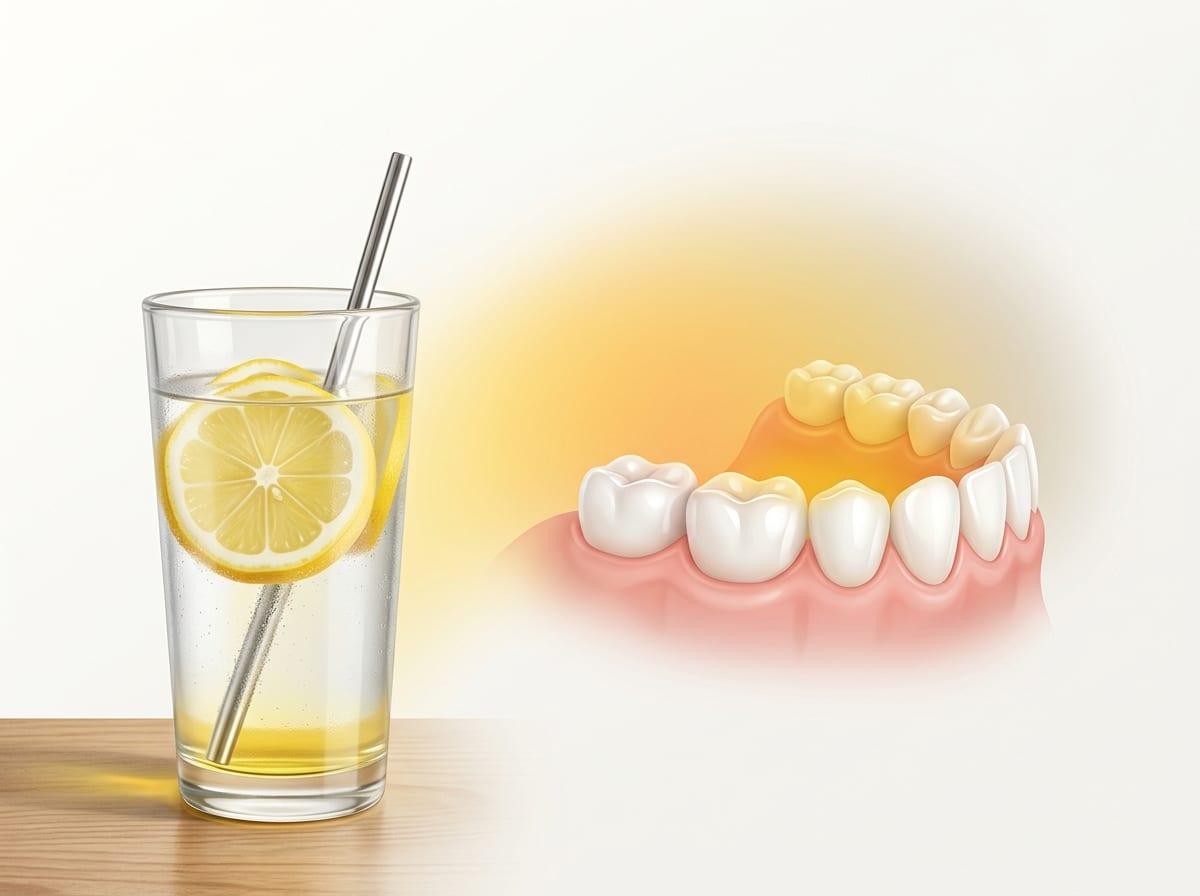
Some mornings it’s the teeth that speak up first—a quick electric sting on the front surfaces that wasn’t there before. Other times it’s a warm, rising discomfort behind the breastbone that shows up halfway through the glass, even though the routine is “healthy” on paper. Because the habit is simple, it’s easy to misread these as signs your body is “adjusting,” rather than signs you may be irritating something.
Citric acid can lower the pH in the mouth for a while, which may soften enamel at the surface and make brushing right after feel harsher than usual. In the stomach, that same acidity and the volume of fluid can, in some cases, make reflux symptoms more noticeable—especially on an empty stomach or after a late meal—so the effect flips between “settling” and “burning” depending on the day.
The downsides can arrive while the main benefit is still just hydration. When that happens, it can feel like lemon water “stopped working,” even though what’s changed is tolerance: a small irritant is getting repeated often enough that it starts to matter.
Revised understanding: a tool, not a treatment
It can be oddly deflating when the routine is solid but the “results” never become predictable. One week your digestion feels smoother, the next you’re back to heartburn or tooth zing, and the drink starts to feel like it’s either working or failing depending on the day.
A cleaner way to hold it is as a tool that mainly helps you drink water on purpose. The mechanism that explains most of the day-to-day change is simple: more fluid earlier can shift thirst and appetite cues, and the lemon’s acidity can change how your mouth and stomach feel in the moment. Those sensations are easy to label as “detox,” even though they’re often just timing, volume, and irritation playing out differently with sleep, meals, and stress.
If the habit keeps feeling “worth it,” it usually does so because it supports consistency, not because it treats anything. And if it keeps coming with discomfort, that’s useful information too—more a cue to reassess how you’re using it than a sign you need to push through.