Spring gardens often get expensive before the first harvest. A few raised beds, several nursery starts, fresh soil, fertilizer, and a new hose setup can turn a modest plan into a three-figure project in a single weekend.
Water adds another cost pressure. Recent EPA data says outdoor water use averages more than 30% of household water use, a reminder that the budget impact does not end at checkout.
For most households, the smartest savings do not come from buying the cheapest item in every category. They come from matching the garden’s size, crop list, and setup to the space, climate, and habits that will actually carry through spring and into summer.
Start With A Short Crop List That Earns Its Space
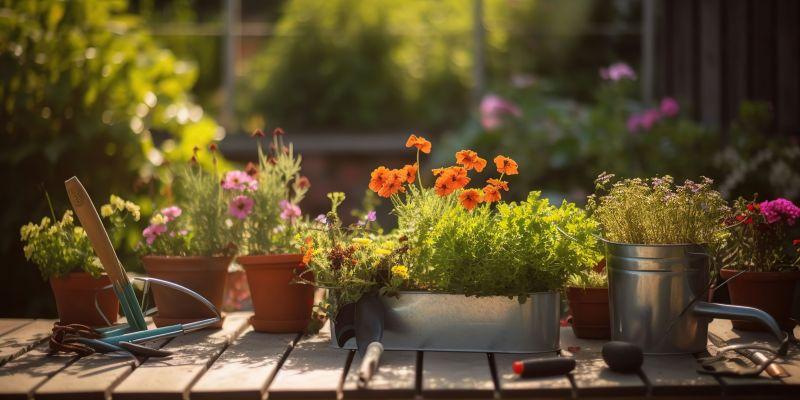
The lowest-cost spring garden is rarely the biggest one. Startup costs rise fast when households build for variety before deciding which crops will actually replace store purchases.
A short crop list usually performs better, especially when it centers on items bought often in small quantities and used across many meals. Herbs, salad greens, scallions, and a few dependable fruiting plants often return value faster than crops that need more square footage or arrive all at once.
A Simple Priority Order
A practical order helps keep the list tight. First come high-priced, frequent-use crops such as basil, parsley, salad mix, and chives. Next are cut-and-come-again crops that keep producing from one planting.
After that, one or two favorite warm-season plants can make sense, especially tomatoes or peppers if the household uses them steadily. Space-hungry crops belong lower on the list unless room is abundant.
Potatoes, corn, pumpkins, and oversized squash can still earn a place, but they are not automatic money-savers in a small garden. They take up bed space for weeks or months, and the harvest often comes in a short window rather than a steady stream.
Split The Plan Between Direct-Sown Crops And A Few Paid Starts
Saving money does not mean starting everything from seed. The cheaper plan is usually mixed. Seeds make the most sense for crops that establish easily in place and do not gain much from being transplanted. Beans, peas, radishes, carrots, and leaf lettuce usually fit that category, so a low-cost packet can cover far more row space than nursery starts would.
A small number of purchased starts often pays for itself with warm-season crops. University of Minnesota Extension notes that tomatoes, peppers, eggplant, basil, and similar tender crops need a long growing season and may not mature well if seeded directly in the garden in cooler regions. New Mexico State guidance for chile peppers adds a useful benchmark: transplants generally need about 6 to 8 weeks from seeding to reach planting size, and direct seeding works best in longer-season areas.
That tradeoff matters in a first-year budget. Indoor seed starting stays cheap only when trays, potting mix, light, and windowsill space are already available. Otherwise, a few sturdy starts can cost less than a flat of weak seedlings that never catch up.
Let The Site Decide Whether Year One Belongs In Ground, In Containers, Or In Raised Beds
The setup should follow the site, not the catalog plan. In-ground beds are usually the cheapest starting point when the space gets at least 6 hours of full sun, and the soil drains well enough to work without staying soggy.
If the yard is compacted, the household is renting, or soil contamination is a concern, containers or raised beds can justify the higher upfront cost. University of Maryland Extension uses the same 6 hours of sun threshold for most vegetables, with lettuce as one of the few crops that can manage with less.
Raised beds solve real problems, but they are not the budget default. University of Minnesota Extension notes that raised beds dry out faster than in-ground gardens and usually need more frequent watering. That can add both labor and summer water costs.
Borrow, Swap, And Reuse The Inputs That Do Not Change Yield Much
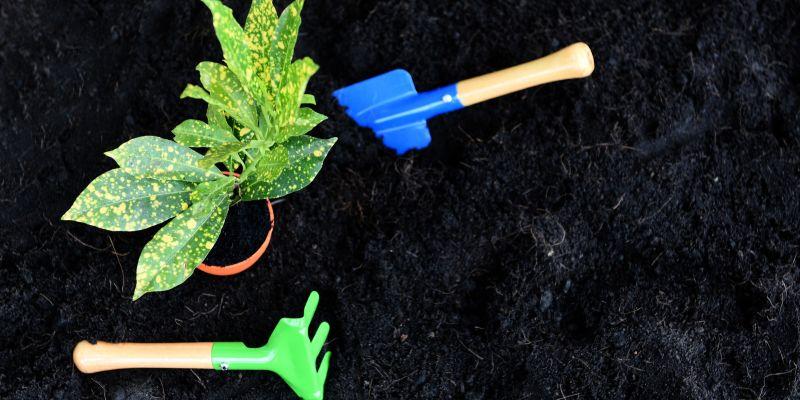
A first-year garden usually needs fewer owned tools than households expect. Trowels, hand pruners, watering cans, cages, stakes, and seed trays are often easy to borrow, swap, or reuse without affecting harvest quality. Yogurt tubs, nursery pots, and saved labels can handle seed-starting and transplant chores just as well as branded kits.
The tighter spending line belongs elsewhere. Fresh potting mix for containers, healthy transplants, and clean supports are worth paying for because weak plants or poor growing medium can drag down the whole season.
Decorative edging, matching planters, and specialty gadgets sit in a different category. They may improve appearance or convenience, but they rarely change yield enough to justify early-season budget space.
Treat Soil And Water As The Inputs That Keep Charging The Budget
Soil and water keep showing up on the bill long after the first seed packets are opened. A small garden makes that easy to miss. Many vegetables need roughly 1 inch of water a week, according to recent extension guidance.
On a 100-square-foot plot, that works out to about 62 gallons before adjusting for rainfall. That is not a reason to avoid gardening. It is a reason to make moisture retention part of the startup plan instead of treating irrigation as a later fix.
Compost and mulch usually save more money than decorative upgrades because they affect how often the garden needs attention and how often plants stall out. University of Maryland Extension notes that mulch helps slow evaporation and keeps soil moist longer. EPA WaterSense says outdoor water use averages more than 30% of household water use, and as much as 50% of outdoor irrigation water can be lost to wind, evaporation, and runoff with inefficient watering.
A simple hose routine, mulch over bare soil, and better soil structure often beat an elaborate irrigation setup in year one.
When The Cheap Option Stops Being Cheap
Some low-cost choices cut the checkout total and raise the season’s cost later. Oversized raised-bed kits are a common example. They look organized from day one, but the bill does not stop with the frame. Fill material adds up fast, and a larger bed also needs more water, compost, and mulch than many first-year gardens can use well.
Salvaged lumber has its own limits. Reuse can make sense, but mystery wood is not a bargain when its treatment history is unclear. Older treated boards can create food-garden concerns that are hard to verify after the bed is built.
The same pattern shows up with seeds and starts. A full tray of bargain seedlings often produces waste if only four or five plants fit the space. Skipping mulch or soil improvement can backfire, too. The upfront savings are small, but bare soil dries faster, weeds move in sooner, and replacement plants become more likely.
First-Season Spending Rule
A workable first-season order is simple: confirm at least 6 hours of sun, choose four to six crops that get used often, direct-sow the easy ones, buy only a few warm-season starts, and hold back on bed upgrades until the space proves it needs them.
University of Maryland Extension uses that 6-hour threshold for most vegetables, which makes it a useful first filter before any spring garden spending begins.