Hair extensions are commonly used to add length, density, and styling options. Use has expanded across salon, home, and clinical contexts. Healthcare providers increasingly note scalp, skin, and respiratory concerns linked to extension materials. These reactions often develop weeks after installation, which delays identification. Chemical processing during manufacturing standardizes color and texture, leaving potential residues on finished products. Clinical evaluation now considers material composition, exposure duration, and effects on the skin barrier to support safer selection and long term use decisions in routine cosmetic care settings.
Chemical Treatments Used In Hair Extension Manufacturing
Hair extension manufacturing depends on chemical processing to achieve consistent texture, color, and durability. Human hair extensions typically undergo acid based treatments that strip away the cuticle layer. This step reduces tangling and allows strands to align uniformly, yet it removes a natural barrier that normally limits chemical absorption. To restore surface smoothness, manufacturers apply silicone coatings. These coatings improve appearance and manageability, but they can trap residual processing agents within the fiber. During extended wear, especially with tightly installed or layered styles, prolonged scalp contact may allow gradual transfer of these substances to the skin.

Synthetic extensions follow a different pathway. Polymer extrusion is used to form fibers from materials such as acrylic, polyester, or modacrylic blends. Plasticizers are added to improve flexibility, while stabilizers maintain shape over time. Flame retardants are incorporated to meet material safety standards. Dermatology related laboratory testing has detected trace levels of formaldehyde releasing preservatives and aromatic amines linked to certain dye systems. Concentrations differ across brands and production batches, creating variability in exposure risk.
Heat styling introduces further complexity. Styling tools reach temperatures that can alter fiber chemistry, leading to the release of volatile compounds from surface coatings. In clinic based exposure reviews, symptom patterns often align with frequent heat application rather than passive wear alone. Ingredient transparency remains limited. Product labeling usually lists fiber type without detailed chemical disclosure, which complicates clinical evaluation and patch testing decisions.
Common Health Effects Seen In Clinical And Salon Settings
Health effects linked to hair extension use frequently surface during dermatology visits, allergy consultations, and occupational health assessments. Scalp irritation appears most often. Clinicians note redness, flaking, follicular soreness, and localized itching, usually concentrated near attachment points. Symptoms rarely begin immediately. Delayed onset blurs the distinction from traction alopecia or seborrheic dermatitis, which can result in early misclassification and prolonged discomfort before the true trigger is identified.
In patient care settings, a common pattern involves ongoing hairline inflammation that does not respond to antifungal shampoos or topical corticosteroids. A detailed grooming history later reveals the recent installation of extensions secured with keratin bonds or adhesive systems. Once extensions are removed and barrier repair measures begin, improvement tends to occur gradually. This clinical course aligns with contact sensitivity rather than intrinsic inflammatory skin disease, shaping follow-up care decisions.
Salon environments present a separate exposure pathway. Daily cutting, sealing, and heat styling of synthetic fibers increases inhalation of fine particulates and chemical vapors. Occupational health evaluations document persistent throat irritation, cough, eye discomfort, and tension headaches among salon staff. Ventilation quality often determines symptom intensity, with poorly ventilated spaces showing higher complaint rates.
Attribution remains challenging. Similar symptoms can stem from dyes, bonding agents, and styling products used simultaneously. Detailed exposure histories and consistent documentation remain essential for accurate assessment across both clinical and workplace settings.
Risk Assessment, Testing, And Regulatory Gaps
Risk assessment for cosmetic hair products operates under cosmetic regulatory frameworks rather than medical product standards. Pre market safety testing focuses on acute toxicity, not long term wear or heat exposure. Independent laboratories test for heavy metals, banned dyes, and volatile organic compounds, yet coverage is inconsistent across regions.
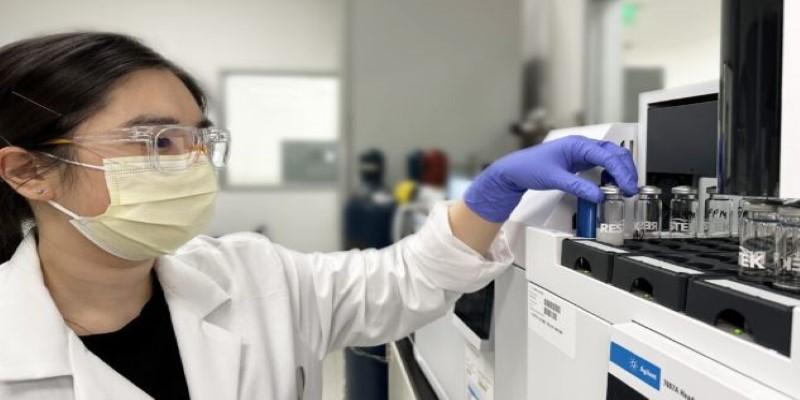
Patch testing remains a useful diagnostic tool. Standard allergen panels include preservatives and dyes, but may omit specialty compounds unique to fiber processing. Extended wear creates cumulative exposure patterns that short duration tests cannot replicate. Clinicians often rely on removal trials and symptom monitoring to confirm associations.
Regulatory gaps complicate guidance. Ingredient disclosure requirements vary widely. Product reformulations occur without notice, creating inconsistency between batches. In practice, dermatology providers advise conservative use strategies rather than definitive safety assurances. Occupational health recommendations emphasize ventilation upgrades, protective equipment during cutting, and reduced heat exposure. These interventions reduce risk but do not replace comprehensive regulatory oversight.
Practical Precautions For Consumers And Care Teams
Precautionary strategies focus on minimizing exposure and improving early detection of reactions. Washing extensions before installation removes surface residues identified during laboratory rinse testing. Selecting products with minimal coatings reduces occlusive contact with the scalp. Limiting wear duration allows earlier identification of adverse reactions.
Clinical intake processes benefit from detailed cosmetic histories. Documenting extension type, attachment method, and wear schedule shortens diagnostic timelines when unexplained symptoms arise. Care teams often recommend periodic scalp assessments during routine visits for individuals using long term extensions. Salon safety protocols address occupational exposure. Improved ventilation, localized exhaust systems, and scheduled breaks reduce airborne fiber concentration.
Training programs increasingly include material safety education and symptom recognition. These measures support worker health without restricting professional practice. Limitations persist. Product composition changes remain opaque, and standardized testing is not universal. Ongoing communication between clinicians, salons, and suppliers supports safer use patterns within existing constraints.
Conclusion
Chemical exposure linked to hair extensions remains underrecognized in both clinical and occupational contexts. Processing agents, coatings, and synthetic fiber additives contribute to delayed reactions and cumulative exposure. Dermatology and occupational health cases reveal patterns tied to prolonged contact and heat application. Improved documentation, cautious selection, and early symptom recognition reduce avoidable complications. Transparent manufacturing practices and consistent testing standards would strengthen risk assessment. Until then, informed precautions and interdisciplinary communication support safer cosmetic use without overstating risk or minimizing documented effects.