Arrival at Longitude 131°: expectations vs reality
We landed at Ayers Rock Airport thinking “ultra-luxury” would mean a seamless bubble from the outback, and then the cabin door opened and the heat did its immediate reality-check. The transfer to Longitude 131° is short and smooth, but you still feel how far you are from anywhere the moment the road leaves the terminal behind. That remoteness is the point—and also the constraint—because if you forgot something small (sunscreen you actually like, a medication, contacts), there’s no quick fix.
Arrival itself is calibrated: staff are warm, the pavilion feels private, and Uluru shows up in the view like a staged reveal. What surprised me was how quickly comfort becomes a system you participate in, not something you passively receive. Shoes come off; water becomes a constant decision; timing matters. In the middle of the day, the air and glare can push you indoors, and flies can make “just sit outside” feel like work if you’re there in peak fly season.
The expectation that you’ll be “doing” Uluru nonstop also doesn’t match how the place works best. The high-value moments are early and late, which is perfect if you like structured days—and slightly frustrating if you’re hoping to sleep in and still get the iconic views without crowds or heat.
The landscape and wildlife: the outback up close
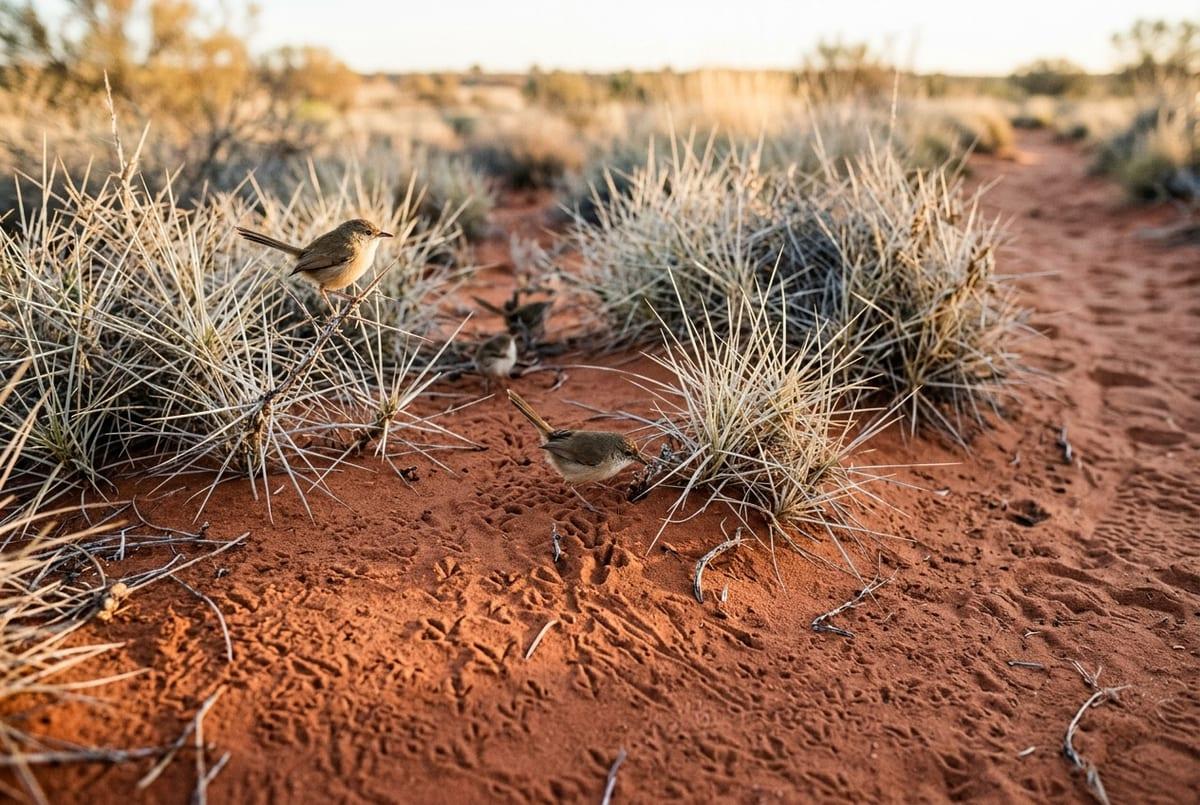
The first morning I tried to treat the landscape like a quick photo stop—coffee in hand, stepping outside for “just five minutes”—and that’s when the outback corrected me. The light is incredible, yes, but it’s also sharp, and the ground holds cold overnight then flips fast once the sun clears the horizon. If you’re only in the Red Centre for 10–14 days and you’re squeezing Uluru between cities, it helps to accept that the best “outside time” isn’t unlimited; it’s a window you aim for, then you retreat and reset.
Up close, the desert isn’t empty so much as quiet on its own schedule. Around the dunes and low spinifex, you start noticing movement: little skittering tracks at the edge of paths, birds working the scrub, and kangaroos that appear when the day cools off. The catch is that wildlife is easiest when you’re willing to be up early or out late—exactly when you might otherwise be prioritizing sleep after flights. If you’re deciding between Longitude 131° and a more independent stay, the guided format earns its keep here: you’re not gambling your limited hours on “maybe we’ll spot something.” You’re trading flexibility for a higher hit-rate, plus someone who can tell you what you’re actually seeing.
Even the “small annoyances” are part of the real landscape equation. Flies can turn a leisurely lookout into a short, purposeful stop, and wind can make the temperature feel harsher than the forecast suggests. Packing isn’t about survivalist gear; it’s about avoiding friction—light layers you can change quickly, a hat you’ll actually wear, and shoes that handle sand without becoming an all-day distraction.
Signature experiences: Uluru, Kata Tjuta, and beyond
One afternoon we tried to “squeeze in” Uluru’s base drive between lunch and a late swim, and it was the first time Longitude 131° felt like it was quietly refusing our city pacing. Midday is when the rock looks flatter, the heat feels least negotiable, and even short walks start turning into calculations about shade and water. If you only have one or two nights, it’s tempting to stack activities back-to-back, but the best-value experiences here are the ones the schedule forces you into: sunrise when the air still has teeth, and sunset when the crowds thin and the colour finally does the thing you flew for.
Uluru itself is the obvious headline, but Kata Tjuta (especially Valley of the Winds) is the “are we sure we have time?” decision that tends to separate a good trip from a great one. It takes more effort—more driving, more commitment to a walking start time, and more tolerance for wind—but it also gives you scale and quiet that Uluru can’t always deliver. The limitation is real: if the day heats up fast or conditions change, rangers can close longer sections, and suddenly your heroic plan becomes a shorter loop. With a guided outing you lose some independence, but you gain a Plan B that doesn’t waste half your day.
Beyond the icons, the smaller, controlled moments are where Longitude 131° justifies itself: a guided talk that turns “nice view” into context, a dusk drink where you’re not thinking about driving back in the dark, and stargazing that lands because you’re not fighting logistics. You’re paying for compression—more meaning per hour—which matters when Uluru is a single chapter in a tight 10–14 day itinerary.
Staying well out there: comfort, culture, and logistics
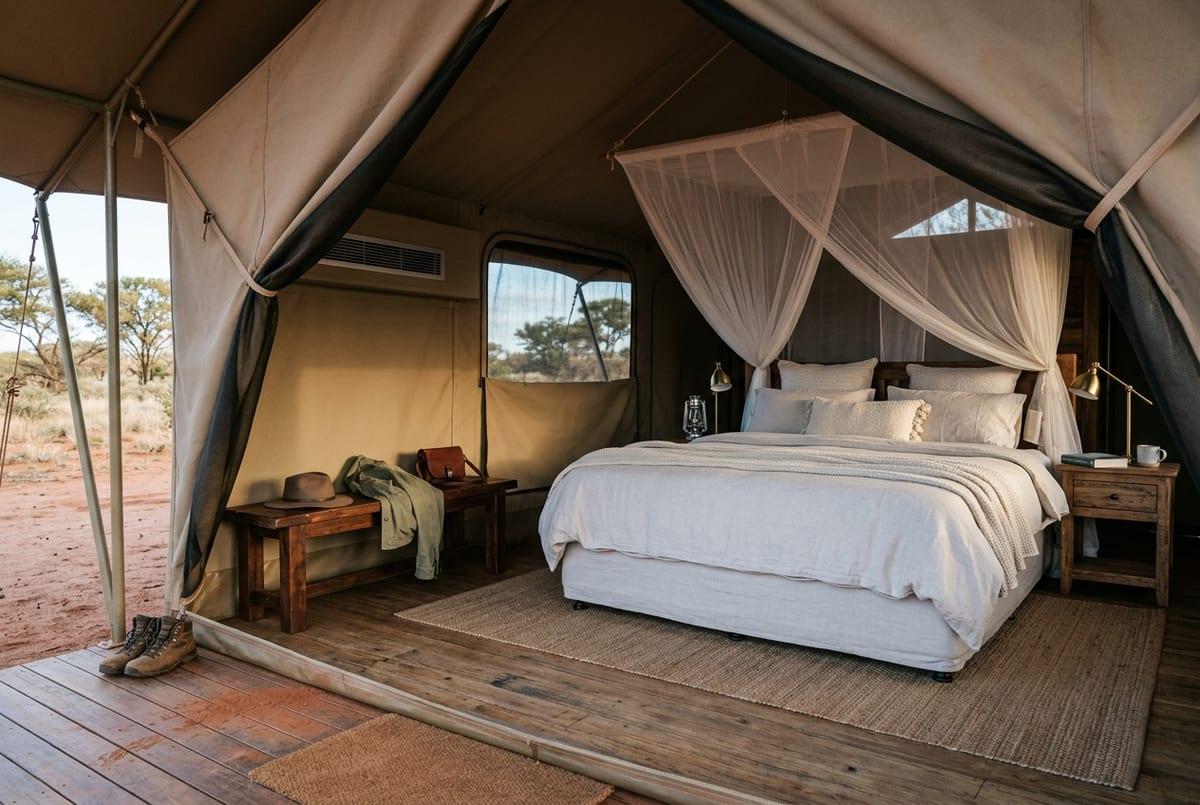
The first night, I realized “luxury” here isn’t marble-and-minibars; it’s friction removed in exactly the places the outback normally punishes you. Laundry turning around quickly matters when everything is either dusty or sweaty, and the ability to retreat to air-con between dawn and dusk stops you from wasting your best hours feeling wrecked. The catch is that the tented setup still reads as “outdoors”: you’ll hear wind, you’ll track in red dust, and if you’re sensitive to heat or light, sleeping in can be harder than you expect—especially after a long travel day.
Logistically, Longitude 131° works best if you let it run the clock for you. For a time-poor couple, two nights is the sweet spot: one full day to hit sunrise/sunset properly, plus a Kata Tjuta window without gambling on a single morning. One night can work, but only if your flights line up and you’re willing to be “on” early; otherwise you’ll pay top-tier rates for a schedule that feels rushed. Three nights buys slack (and recovery), but it can start squeezing the rest of a 10–14 day Australia loop.
Culturally, the guided layer is where you need to decide what you want the trip to be. You’ll get context and clearer boundaries around what’s appropriate, which is helpful when you don’t have time to research on the fly. But it also means you’re mostly consuming the place through a curated lens; if you prefer wandering at your own pace, you’ll feel that constraint quickly. Packing is similarly pragmatic: fly net if you’re in a heavy-fly season, a wide-brim hat that won’t annoy you, and one warmer layer for pre-dawn—because comfort swings faster out here than most itineraries allow.
Leaving the red centre: what stays with you
On our last morning, the hardest part wasn’t an early wake-up—it was deciding whether to squeeze in one more sunrise look or protect the day’s travel buffer. In the Red Centre, timing is always slightly adversarial: flights are fixed, light is fleeting, and the best moments happen when you’re most likely to be tired. If you’re heading straight back into a bigger-city leg, plan your departure like you would a connection in winter—assume some friction (heat fatigue, a slow breakfast, a last-minute bag shuffle) and don’t cut it fine.
What stayed with me wasn’t just “Uluru is iconic,” but how much the experience rewards committing to a rhythm. Longitude 131° makes that easier by compressing logistics into something you can actually fit inside 10–14 days, but you feel the cost as a subtle loss of spontaneity. If you want maximal independence, a different stay will stretch your budget—but it may also stretch your limited hours into more self-managed driving, booking, and guesswork.
Our clean takeaway: if you’re going to splurge, do it for two nights and let the place set your clock. One night can turn into an expensive blur; three can crowd out the rest of Australia. The red dust washes off eventually, but the recalibration—the sense of distance, light, and limits—hangs around longer than you expect.