Why “artery-healthy foods” rarely work in isolation
It can be oddly reassuring to drop a carton of “heart-healthy” yogurt or a bag of trail mix into the cart, as if that one choice can cancel out everything else. Then a week later, the numbers look the same, and it’s hard not to feel like the whole idea is overhyped. What’s usually missing isn’t effort—it’s how the rest of the day quietly stacks up around that one “good” food.
Arteries respond to patterns more than highlights. Soluble fiber changes how cholesterol gets handled, but it works best when it’s not competing with frequent saturated-fat hits. Potassium-rich foods can soften the effect of sodium, but not if salty, packaged snacks keep showing up between meals. And blood sugar swings after refined carbs may leave the body in a more inflammatory, “irritated” state that makes vessel walls less comfortable over time.
That’s why the biggest shifts often come from noticing the routine filler foods—sweet drinks, crackers, drive-thru sides—that don’t feel dramatic, yet steadily tilt LDL and blood pressure in the wrong direction.
Soluble fiber foods that shift cholesterol handling
Sometimes it’s the after-lunch feeling that gives it away—not hunger exactly, just a quiet “still not satisfied” that sends you back to the pantry. When the snack ends up being crackers or something sweet, it can feel like willpower is the issue, even though the meal looked reasonable on paper.
Soluble fiber tends to change that rhythm. Foods like oats, barley, beans, lentils, apples, citrus, and ground flax form a kind of gel as they move through the gut. That thicker mix can bind some bile (made from cholesterol) and carry it out, nudging the body to pull more LDL from the bloodstream to replace it. It’s not a dramatic overnight effect, and it can get drowned out when most meals still lean on buttery sauces, fatty meats, or refined starches.
In real life, the trade-off is effort and consistency: a bowl of oats helps most when it shows up often, not once a week as a “fix.”
Fats that support vessels without extra calorie creep
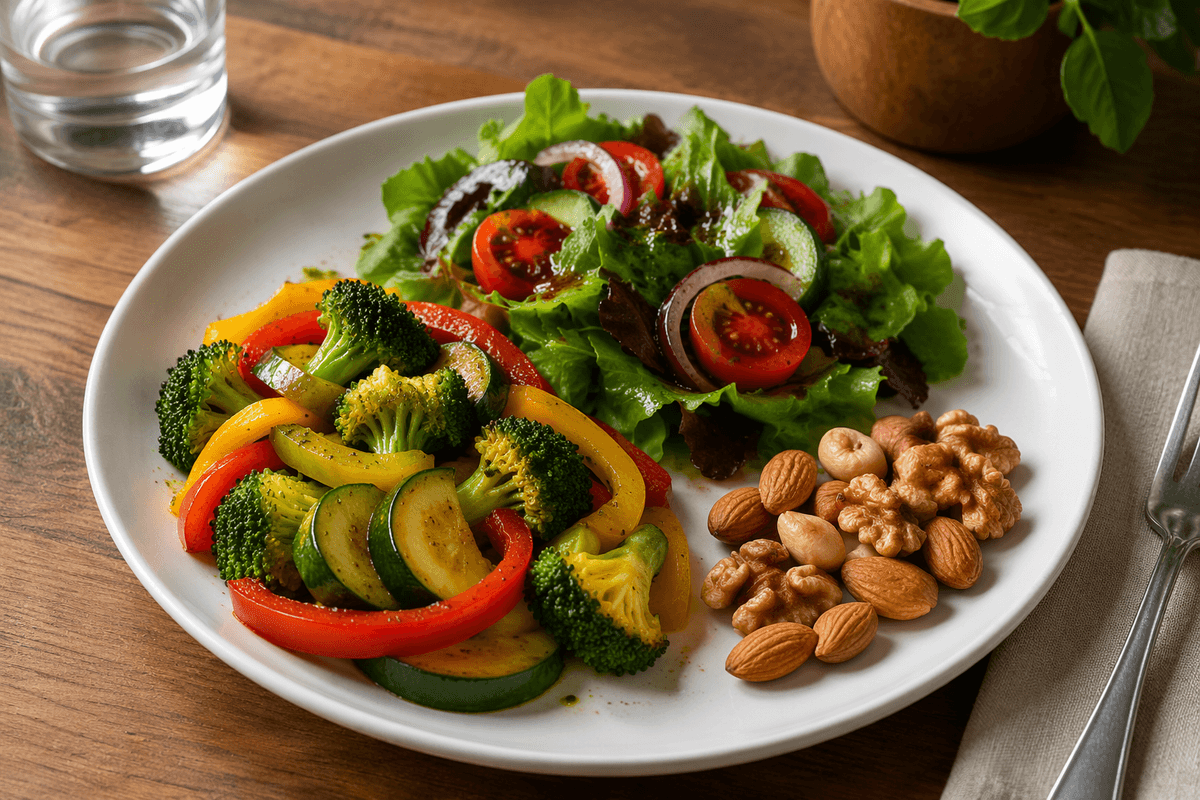
The first clue it’s getting tricky is often the “healthy” drizzle that turns into a heavy pour—olive oil in the pan, a second handful of nuts, an extra scoop of guacamole because it’s the better fat. Nothing feels like junk food, yet meals start landing with that slightly too-full, sluggish feeling that makes it harder to keep portions steady the rest of the day.
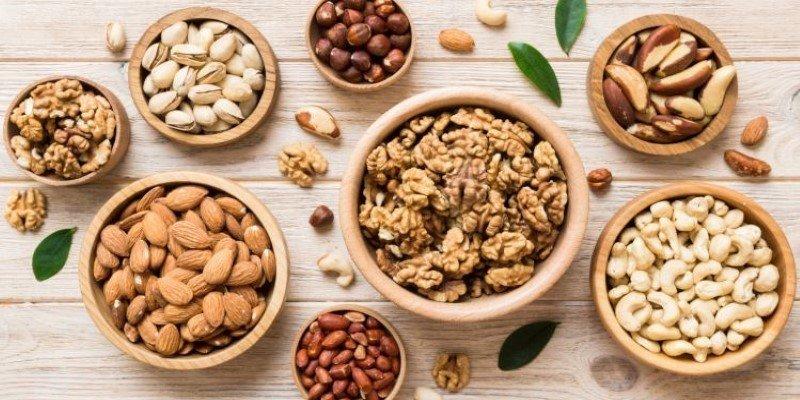
Unsaturated fats (olive oil, avocado, nuts, seeds, and fatty fish) tend to support vessels differently than saturated fats, in part because they’re less likely to push LDL in the wrong direction. But they’re still calorie-dense, so the benefit can get blurred when they’re added on top of everything else instead of replacing butter, cream sauces, cheese-heavy extras, or fatty cuts of meat.
In practice, people usually notice the difference when the swap is specific: vinaigrette instead of ranch, a small handful of nuts instead of chips, olive oil in place of butter on vegetables. It’s not always consistent—restaurant portions make that harder.
Omega-3 sources and what people notice over time
You might notice it first at dinner out: the salmon sounds like the “heart choice,” but it arrives with a buttery glaze and a side of fries, and it’s hard to tell what you actually just improved. Omega-3s tend to work the same way as fiber and unsaturated fats—most visible when they’re part of a steadier pattern, not a one-off order that’s surrounded by heavier extras.
Food sources like salmon, sardines, trout, herring, and anchovies deliver EPA and DHA, the forms the body can use more directly. Over time, some people notice less of that “puffy” feeling after salty meals or a slightly calmer post-meal slump, though it’s inconsistent and easy to blame on sleep or stress instead. Part of the reason is that omega-3s can shift how the body makes inflammatory signals and how blood fats are packaged after eating.
Plant sources (chia, flax, walnuts) provide ALA, which converts only partly, so they often feel more like a supportive background than a clear “result.”
Plant colors that protect against oxidative wear
It sometimes shows up as a small surprise in the produce aisle: the blueberries cost more than the cookies, and the brain wants to file “fruit” as optional. Then later, after a week of beige snacks and drive-thru sides, meals can start to feel heavier—like the body is doing more cleanup work after you eat.
The deep reds, purples, oranges, and dark greens in plants often signal compounds like polyphenols and carotenoids. In the body, those compounds can help buffer “oxidative” wear—basically the chemical scuffing that tends to happen when blood sugar spikes, fried foods, and repeated ultra-processed snacks keep pushing the system toward inflammation. LDL that’s more “irritated” by oxidation may be more likely to stick around in ways arteries don’t love.
People notice it more indirectly, when colorful foods start replacing the filler: berries instead of pastries, tomatoes and peppers instead of chips, greens and beans instead of fries—most days, not perfectly.
Potassium-rich foods that soften sodium’s impact

It often shows up the morning after takeout: rings feel a bit tighter, the face looks slightly puffier, and you can’t tell if it was the soy sauce, the fries, or just a bad night of sleep. People sometimes blame “salt sensitivity” as a fixed trait, but a lot of it comes down to what else was on the plate.
Potassium-rich foods can soften sodium’s impact because potassium helps the body move sodium out through the kidneys and supports the signals that let blood vessels relax. When meals are built around packaged snacks, deli sandwiches, or restaurant bowls, sodium is easy to stack without noticing—while potassium is often missing.
In day-to-day eating, potassium tends to come from foods that don’t look like a “blood pressure strategy”: beans and lentils, potatoes or sweet potatoes, leafy greens, tomatoes, yogurt, and fruit like bananas or oranges. One banana doesn’t counter a salty week, but a steadier mix can change how those salty meals land.
When a “health upgrade” causes surprising discomfort
The first sign something changed may not be on a lab report—it may be your stomach. A few days into “better” breakfasts (oats, beans, chia) you can feel puffy, gassy, or strangely full, and it’s easy to decide the food “doesn’t agree with you.” Sometimes it’s simply that the gut is adjusting to more fermentable fiber and a different water balance, especially if the old baseline was low-fiber and snack-heavy.
Even swaps that look harmless can land awkwardly. Replacing chips with nuts or adding avocado can feel heavier if portions quietly grow. And when sodium drops while potassium-rich foods rise, some people notice a faint headache or lightheaded moment that they blame on the new menu, even though hydration, sleep, and overall meal size may be shifting at the same time.
The discomfort doesn’t always mean you chose the wrong foods—just that the pattern changed faster than your body expected, and it may take a little time to feel “normal” again.